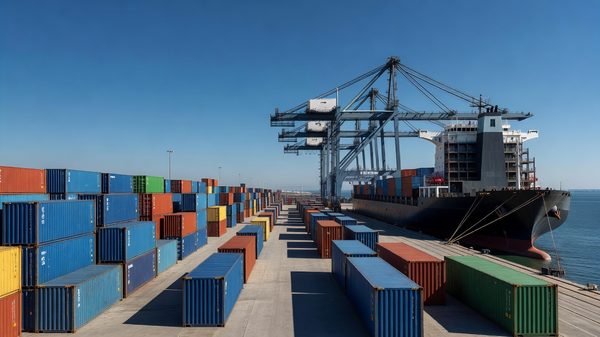
Where US Tariffs on Indian Textile Exports Actually Stand in Late 2026
The 50 percent IEEPA tariffs are gone, but a 10 percent Section 301 duty applies and a Russia-sanctions law looms. What Indian textile exporters face as of late …
Read more →Global textile mill intelligence and sourcing resources
The 50 percent IEEPA tariffs are gone, but a 10 percent Section 301 duty applies and a Russia-sanctions law looms. What Indian textile exporters face as of late …
Read more →
India's 2026-27 cotton MSP is Rs 8,267 for medium staple, Rs 8,667 for long staple and Rs 9,867 for Suvin. What the new floor means for spinning mills.
Read more →
India's duty-free cotton window closes on 31 October 2026, and an extension is under discussion but unconfirmed. How mills are hedging for either outcome.
Read more →
A 30-40% yarn price move in Karur and firming rates in Ludhiana have different causes. The count terminology in circulation obscures which yarn actually moved.
Read more →
The Budget allocates Rs 405 crore to the textile PLI scheme for 2026-27. What the figure actually funds, who qualifies, and why cotton spinners are outside it.
Read more →
India's duty-free cotton import window runs 1 June to 31 October 2026. The mechanics of the exemption, and why the closing date matters more than the opening …
Read more →India's 2026-27 cotton MSP is Rs 8,267 for medium staple, Rs 8,667 for long staple and Rs 9,867 for Suvin. What the new floor means for spinning mills.
Read more →
When open-market prices sit below MSP, growers divert their best cotton to CCI centres. The mechanism, the 2025-26 scale, and what it does to a mill's lint …
Read more →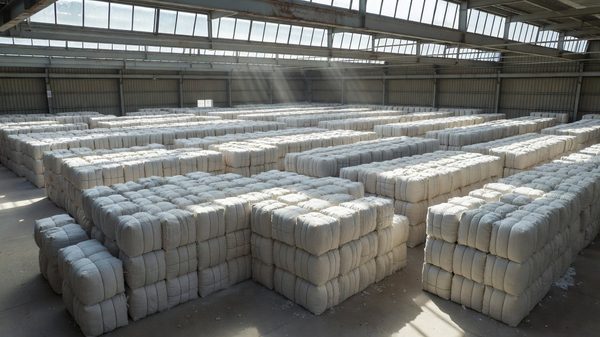
Bangladesh imports close to $2 billion of yarn annually despite a large installed spinning base. Understanding why reveals the structural limits of the sector.
Read more →A 30-40% yarn price move in Karur and firming rates in Ludhiana have different causes. The count terminology in circulation obscures which yarn actually moved.
Read more →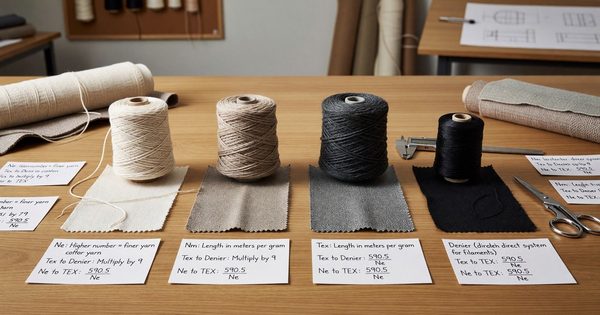
Yarn count is how fineness is specified across the textile supply chain. Four systems are in active use globally — here's what each means and how to convert …
Read more →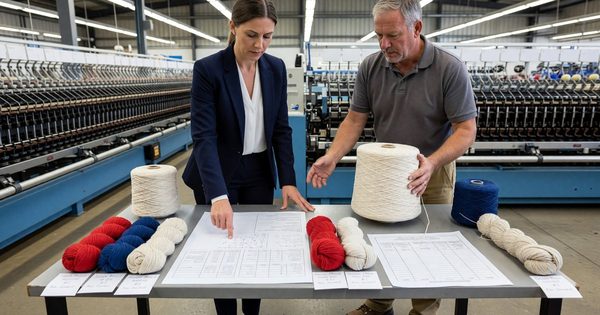
Sourcing yarn directly from spinning mills — how to build specifications, identify mills, run samples, and structure your first production order.
Read more →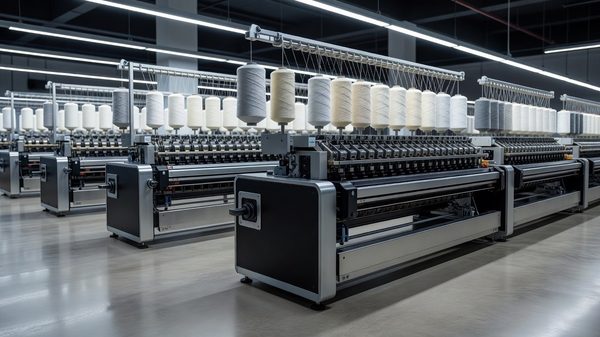
Vietnam has about 130 cotton yarn spinning mills concentrated in three regions. This profile covers capacity, raw material dependency, cluster locations, and …
Read more →
India is the world's second-largest cotton producer and one of its largest yarn exporters. Here's how the industry is structured and what sourcing from Indian …
Read more →The 50 percent IEEPA tariffs are gone, but a 10 percent Section 301 duty applies and a Russia-sanctions law looms. What Indian textile exporters face as of late …
Read more →India's duty-free cotton window closes on 31 October 2026, and an extension is under discussion but unconfirmed. How mills are hedging for either outcome.
Read more →India's duty-free cotton import window runs 1 June to 31 October 2026. The mechanics of the exemption, and why the closing date matters more than the opening …
Read more →